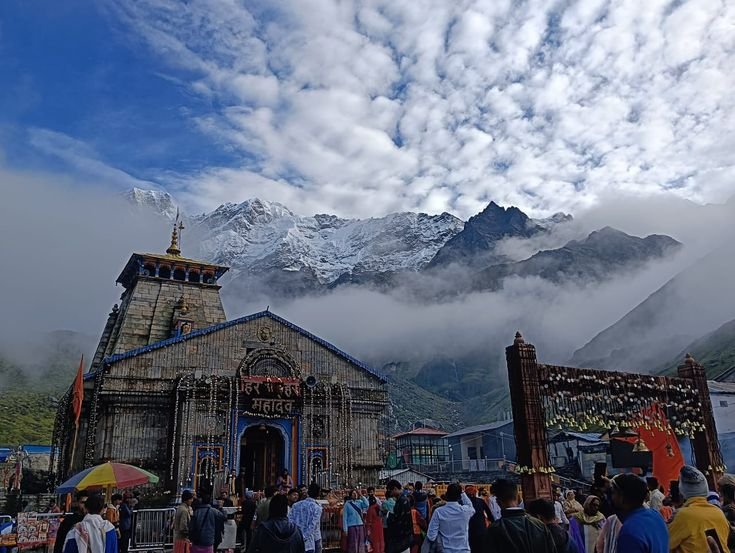

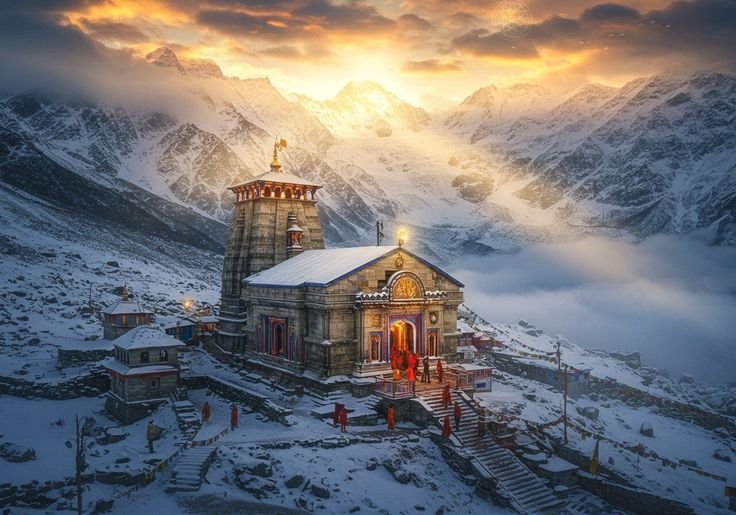
One of the 12 Jyotirlingas of Lord Shiva, set in majestic mountains.
“Imagine standing at 11,000 feet, surrounded by snow-capped peaks that seem to touch the heavens, while the rhythmic chanting of ‘Om Namah Shivay’ echoes through the thin mountain air. This isn’t just a travel destination; it is a journey to the soul.”
Kedarnath Dham, one of the 12 Jyotirlingas of Lord Shiva, is set in majestic mountains where the air is thin, the peaks are eternal, and the silence is so deep it feels like it’s listening to your thoughts. Standing at 3,583 meters, this isn’t just a point on a map; it’s a place that asks everything of your body and gives everything back to your soul.
Nestled amidst the snow-capped peaks of the Himalayas, Kedarnath Jyotirlinga is one of the most sacred pilgrimage sites in India. Dedicated to Lord Shiva, this divine temple is not just a place of worship but a spiritual journey that takes devotees closer to faith, nature, and inner peace.
Kedarnath is one of the 12 Jyotirlingas of Lord Shiva, making it an extremely important destination for Hindu devotees. Surrounded by breathtaking mountains and the serene Mandakini River, the temple offers a truly divine experience.
Why Kedarnath is More Than Just a Temple
🔱 The Pandava Legend
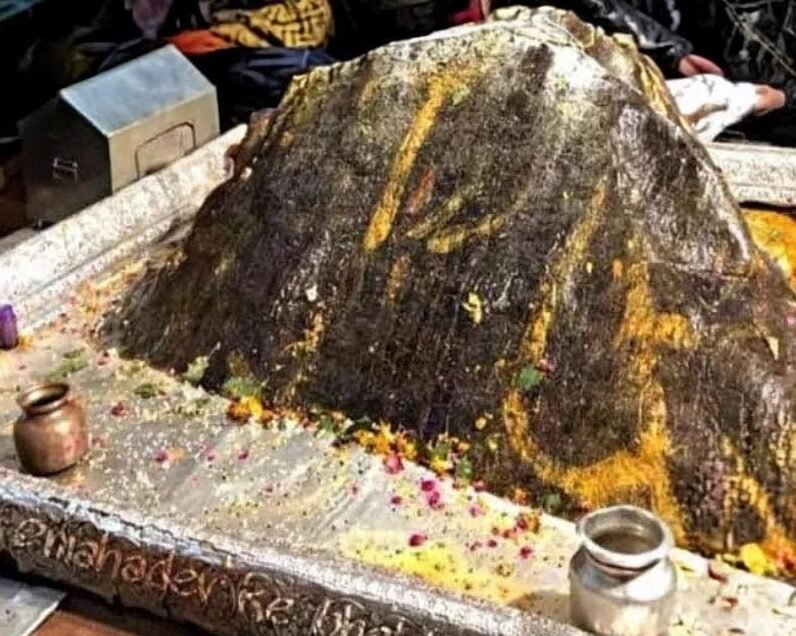
The story of Kedarnath is deeply rooted in the Mahabharata and the journey of the Pandavas after the great war. Burdened with guilt for killing their own relatives and countless warriors, the Pandavas sought forgiveness from Lord Shiva. However, Shiva was unwilling to forgive them so easily and decided to avoid them by disguising himself as a bull (Nandi) and hiding in the Garhwal Himalayas.
Determined to seek redemption, the Pandavas followed him into the mountains. It was Bhima, the strongest among them, who finally recognized the bull. As the bull tried to disappear into the ground, Bhima caught hold of it, but only the hump remained above the surface. This hump is believed to be the sacred form of Lord Shiva that is worshipped today at Kedarnath.
The remaining parts of Shiva’s body are said to have appeared at different places, forming the famous Panch Kedar:
- Arms at Tungnath
- Face at Rudranath
- Navel at Madhyamaheshwar
- Hair at Kalpeshwar
After this divine revelation, Lord Shiva forgave the Pandavas and granted them salvation (moksha). It is believed that visiting Kedarnath and the Panch Kedar temples helps devotees cleanse their sins and move closer to spiritual liberation.
🧘 Adi Shankaracharya’s Revival
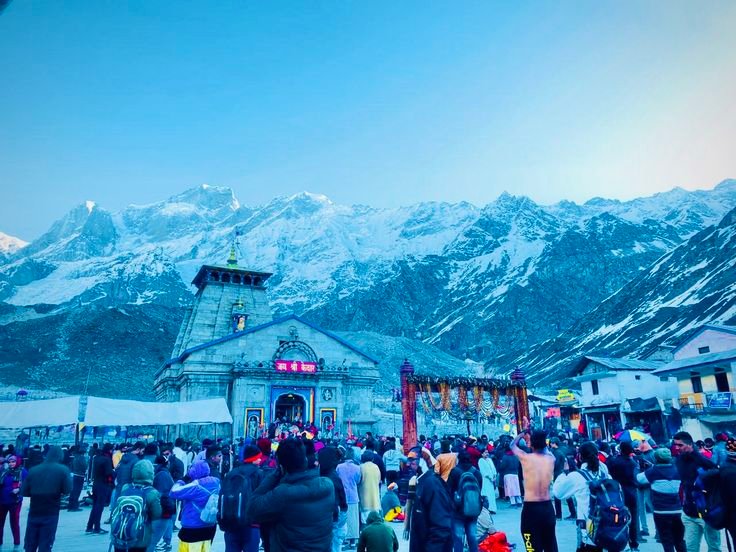
The spiritual significance of Kedarnath was re-established in the 8th century by the great Hindu philosopher and saint Adi Shankaracharya. At a time when many ancient temples in the Himalayas had been forgotten or were difficult to access, he undertook a journey across India to revive Sanatan Dharma and reconnect people with sacred pilgrimage sites.
It is believed that Adi Shankaracharya rediscovered Kedarnath Temple and restored its importance as a major center of devotion to Lord Shiva. His efforts helped make Kedarnath an essential part of the Char Dham Yatra, guiding countless devotees toward spiritual awakening.
Adding to its deep spiritual aura, Adi Shankaracharya is said to have attained samadhi (final meditation) near the Kedarnath Temple. Even today, his samadhi site, located just behind the temple, stands as a reminder of his immense contribution to Hindu philosophy and pilgrimage traditions.
His legacy continues to inspire millions, making Kedarnath not just a place of worship, but a timeless symbol of faith, revival, and spiritual unity.
🪨 The 2013 Miracle – Bhim Shila
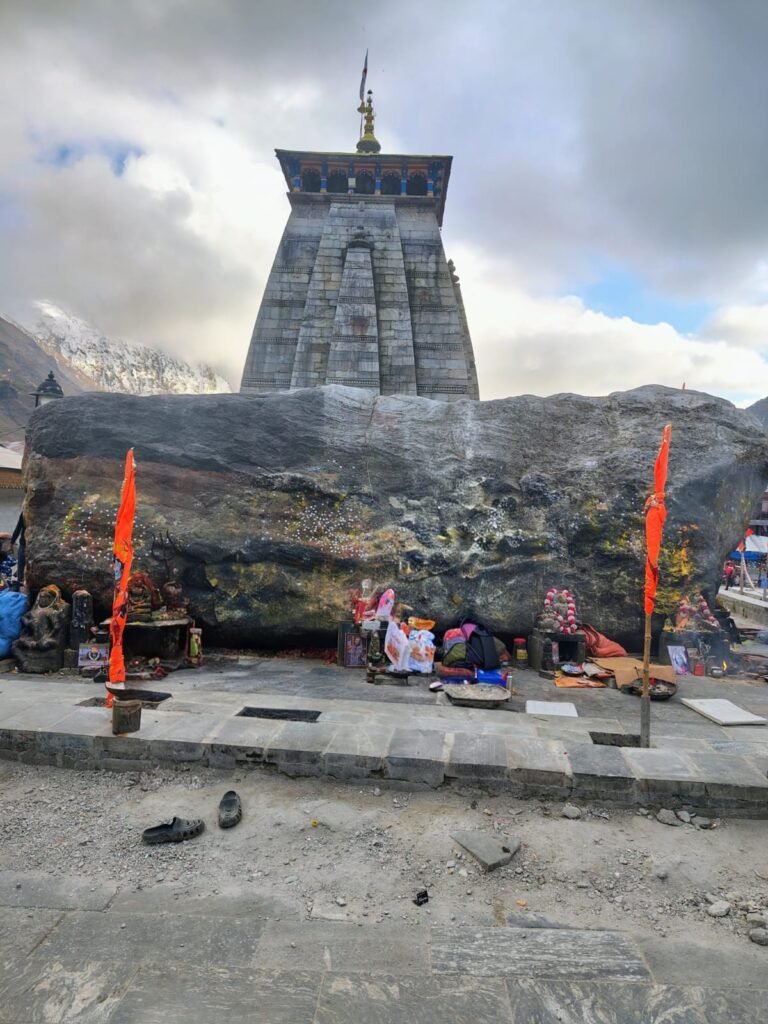
In June 2013, Uttarakhand witnessed one of the most devastating natural disasters in its history. Massive floods and landslides, triggered by cloudbursts and the bursting of Chorabari Lake, caused widespread destruction in the Kedarnath valley. Entire villages were washed away, and thousands of lives were lost. Yet, in the midst of this catastrophe, something extraordinary happened—the Kedarnath Temple remained standing.
Behind the temple, a massive boulder—now known as Bhim Shila—rolled down from the mountains and stopped just a few meters behind the shrine. This giant rock acted as a natural barrier, diverting the deadly floodwaters and debris away from the temple, thereby protecting it from complete destruction. While everything around was devastated, the temple stood firm, almost untouched.
Devotees believe that this was not just a coincidence but a divine act of protection by Lord Shiva himself. The name “Bhim Shila” is inspired by Bhima from the Mahabharata, symbolizing strength and protection. Today, this sacred rock has become a place of reverence, and pilgrims visiting Kedarnath often stop to witness it as a symbol of faith, miracle, and divine grace.